
From Punishment to Protection: Reallocating Gambling Risks in Global Sport through Regulation, Education, and Contractual Liability

As sports betting becomes increasingly embedded in the global sports economy, athletes are left navigating a fragmented and punitive regulatory landscape. This article examines how inconsistent gambling policies across leagues and jurisdictions place disproportionate risk on athletes and argues for a more proactive integrity framework that shifts responsibility upstream toward leagues and teams that profit from betting exposure.
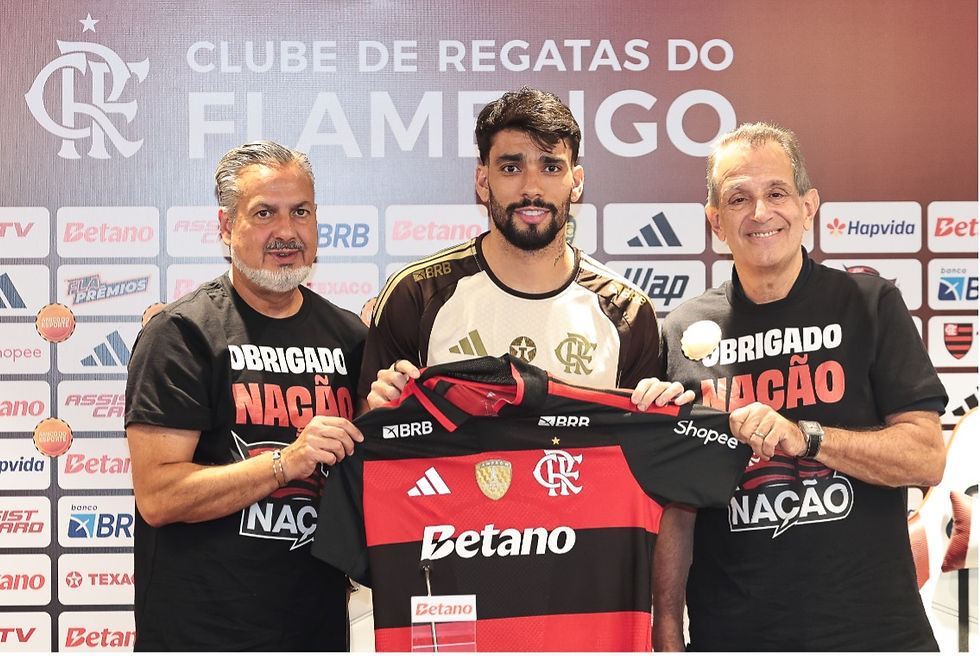
Sporting competitions’ efforts to prevent athletes from engaging in sports betting appear increasingly Sisyphean, not only posing a risk to the individual athletes and their careers, but also to the integrity of sports.[2] Leagues across the world are adjusting differently to the growing presence of sports betting and prediction markets in sponsorship, broadcasting, and other licensing agreements with athletes, teams, and sporting organizers.[3] Simultaneously, sports' governing bodies (FIFA, ITIA, IOC, etc.) are working with intergovernmental and law-enforcement bodies (Interpol, UNODC, etc.) and betting-market monitoring and integrity services (IBIA, Sportradar, Genius Sports, IC360, Signify) to create sports gambling policy and track betting patterns to detect unlawful conduct.[4]
Divergent strategies have produced fragmented and inconsistent policies, leaving athletes and their representatives uncertain and subject to whichever jurisdiction asserts authority over them.[5] Some leagues have banned high-profile athletes from appearing in gambling ads, while others have fully embraced the idea.[6] Some leagues have banned their athletes from betting on all sports, while others have only banned their athletes from betting on their particular sport or events that they participate in.[7] The only consistent pattern across sports leagues is the inevitable and harsh punishments athletes face for breaching integrity rules, leaving athletes suspended from competition and worried about litigation for months or even years.[8]
Athletes are most susceptible to integrity issues related to gambling.[9] In light of this fact, it is incumbent upon leagues to provide proactive measures to prevent their athletes from their heightened exposure to gambling and undue influence within the sports gambling industry. Athletes are constantly bombarded with sports gambling pressures from advertising, exposure to teams’ and leagues’ sponsorships, and even their own social circles, where their teammates, friends, and family wager on their performances.[10] While most leagues’ retributivist approaches may discourage athletes from participating in gambling, the sport ecosystem needs a more proactive approach. Such an approach should not only support and encourage athletes to report conflicts, but to also encourage teams to support athletes who are either more susceptible or already involved.
Identifying Suspicious Betting Patterns Involving Athletes
Various data tracking entities identify irregular gambling patterns and activities in sports betting that may indicate that players, officials, or staff are either illegally influencing the outcome of games or disclosing otherwise confidential information to benefit themselves or other sports gamblers.[11] There are various entities that monitor suspicious trends in global gambling activity.[12] These entities evaluate gambling patterns based on certain indicators, such as rapid and substantial shifts in the odds of a bet, unexplained betting patterns, high betting volumes, the quantity of bets placed inconsistent with expert opinions, the timing of bets, an individual gambler’s success rate in their bets, and the types of bets being placed.[13] When these relevant elements align to indicate that a player or official may be illegally influencingthe outcome of these games, leagues begin further investigation often with support from the gambling monitors and local governments.
The International Betting Integrity Association (IBIA) is the preeminent body that monitors and works with leagues to provide information and education regarding suspicious sports betting activity.[14] Since 2023, the annual levels of activity have steadily increased, while in 2025, over half of suspicious activity occurred in soccer (football) and tennis. [15]
SportRadar, a group that tracks suspicious sports betting and match-fixing, found that soccer remained the sport most affected by match-fixing in 2025 and that the top two tiers of domestic soccer leagues represent 57 percent of all suspicious matches due to their visibility, liquidity, and betting volume.[16]
State of Play in Sports Gambling Regulation
In many American professional sports, leagues play a central role in how teams franchise and operate.[17] Each team manages its own player contracts within league rules and the collective bargaining agreements (CBAs) negotiated with the leagues’ player union associations (PAs).[18] CBAs often reserve the leagues’ right to arbitrate and punish their athletes who breach terms within the CBA, including for gambling violations, through suspensions or fines.[19]
It is not uncommon for CBA negotiations between PAs and players to stall because they lack provisions vital to athletes (i.e., payment structure, health insurance, minimum standards for living conditions) as we have seen in the MLB, WNBA, and USL.[20] Most CBAs lack any meaningful insight to players or teams on how to proactively avoid undue influences from gambling. As a formality, most leagues and teams conduct mandatory education seminars which mandate athletes to attend a lecture about general issues relating to integrity and code of conduct. A minority of leagues provide players with a “safety hotline” or resource for players to report inappropriate sports betting-related [21]. Most CBAs lack any meaningful insight to players or teams on how to proactively avoid undue influences from gambling.[22]
Outside of these franchise league formats, athletes contract with their teams — which are individually owned businesses — that abide by their leagues’ looser policies.[23] Many sports associations have a worldwide ban on their players’ betting on the sport or on multi-sport events which the athletes participate in, as stipulated in league policy and/or by CBAs.[24] Most sports-governing bodies, like FIFA, FIBA, or USOPC, impose general sports gambling regulations on their members and instruct their member federations to forge their own codes of conduct to educate, regulate, and punish violations.[25] In the Netherlands, for instance, the predominant club organizing body, FBO, entered into a labor CBA with the player contract organization, VVCS, and the player’s union, ProProf, to provide minimum standards for professional soccer players playing in the Royal Dutch Football Association (KNVB).[26] This agreement provided players with healthcare, family and sick leave, and minimum standards of care for the players, including pensions, insurance, and sick leave.[27] Although not gambling-specific, this framework demonstrates how labor agreements can impose affirmative duties of care on clubs that extend to gambling-integrity protections.
Despite leagues’ strong stance in favor of punishing violations of sports betting policies, athletes have voiced their concern over the leagues’ reactionary approach to protecting them.[28] The most vulnerable athletes find themselves in a precarious position where their leagues simultaneously expose them to sports gambling through social media, sponsorship, and advertising while punishing them for falling victim to gambling’s allure.[29]
Best Practices: Regulatory Solutions
Solutions may come from several angles.[30] Relying on government to solve their internal issues is not an optimal outcome for the integrity of the sport, though it is not unprecedented, as evidenced by the NCAA and the Chinese Basketball Association gambling scandal.[31] Some nations and U.S. states have tried to limit athletes’ exposure to sports gambling conflicts by restricting live betting, prop bets, prediction market betting, sports gambling advertising, and “skin websites” that resell licensed betting and gaming products.[32] Similar to how the United States Supreme Court struck down a federal law prohibiting states from legalizing sports betting in Murphy v. National Collegiate Athletic Association, European courts have generally disfavored sports gambling and advertising bans, as demonstrated by the European Court of Justice’s disapproval of Italy’s 2018 Dignity Decree, forcing them to reform the law.[33] Italian courts questioned the blanket ban on sports gambling ads because it appeared disproportionate and procedurally flawed, potentially violating EU law on free movement of services and failing to meet requirements of necessity, proportionality, and prior regulatory notification.[34]
Experts advocate for leagues to more proactively monitor and avoid scandals before they occur by creating cooperative commissions to oversee integrity violations across different sports and nations.[35] Many leagues have partnered with various data-collecting entities that monitor generalized and individual bettors’ activity across several betting platforms.[36] While the economic incentives to sports gambling sponsorships and advertising make it unlikely that leagues will completely disassociate from gambling platforms, heightened oversight and regulation has successfully rooted out bad actors.[37]
Best Practices: League-Level Reform
Despite the heightened scrutiny and enforcement around sports gambling, the constant flow of high-profile integrity violations suggests that the sports industry needs to rethink the way sports gambling spreads within team environments.[38] Thirty-five athletes and team support staff from Iowa and Iowa State -- including football, baseball and basketball players, as well as wrestlers -- were charged criminally and/or lost all or part of their NCAA eligibility because of sports betting.[39] Some had placed their bets through their teammates’ betting accounts, demonstrating how simple gambling can spread through a team.[40] In a more recent case, two Colombus Crew players who were banned from the MLS after betting on their own games.[41] MLS representatives blamed the incident on the availability of types of bets that players can easily influence (e.g. committing a foul to earn a yellow card), many experts have interpreted this as just a symptom of the disease. Clearly, a more localized solution is needed to prevent these violations from happening in the first place.
To start, teams and leagues should avoid broad-stroke annual gambling education seminars to a large audience of athletes. It is unlikely that athletes with varying levels of language skills and attentiveness will be receptive to long lectures about these complex issues. Leagues and teams should provide more individualized sessions for their athletes, like the NCAA has started to vis-a-vis their partnership with EPIC Global Solutions.[42] This would especially help athletes hailing from jurisdictions with different sports gambling laws to stay informed and up to date about the ever-evolving sports gambling landscape.[43] Leagues and teams can also negotiate with gambling entity partners to have the latter educate athletes and staff on best practices and, in turn, provide in-depth reporting on athletes betting on their platforms or other suspicious activity.
Another avenue to prevent athletes from sports betting is through holding teams accountable for those who fail to provide their athletes with adequate education and resources. In single-entity competitions held together by CBAs, leagues can punish teams by restricting their ability to acquire players through player drafts or salary cap restrictions. The reallocation of gambling-integrity risk toward clubs would not represent a radical departure from existing legal principles. In most professional sports systems, the player–club relationship functions as an employment relationship governed by labor law, collective bargaining agreements, and general contractual duties of good faith and fair dealing. Under these frameworks, employers routinely bear obligations to protect employees from foreseeable risks arising within the workplace environment. For instance, Major League Soccer (MLS) both incentivizes and punishes its teams based on their on-field performances and violations by granting or withholding General Allocation Money (GAM; allows teams to reduce player salary cap hits, make trades, and maintain competitive balance under the league’s strict budget rules) and Targeted Allocation Money (TAM; generally used to reduce the budget charge on higher-earning players).[44] Because allocation mechanisms are discretionary and league-controlled, they function as compliance tools rather than vested team entitlements.[45] As MLS has done in the past, the league can condition GAM or TAM distribution on how well teams educate and prevent their players and staff from getting involved in sports gambling.[46]
Best Practices: Rethinking Athlete Contracts
Leagues can take a bolder approach to reform by mandating that clubs who own their players’ contracts include provisions in those contracts that vest responsibility and culpability on clubs when their player violates gambling-related laws.[47] Even though teams are likely to resist these sorts of provisions, teams across the majority of jurisdictions are obligated contractually, through labor-protection law and good-faith and fair dealing, to protect players from potentially criminal influences that may be perpetuated on club property where clubs fail to provide adequate protection.[48] As an example, a club’s liability could be triggered upon a showing that the player did not receive documented compliance training within a defined period, or that the club failed to monitor known integrity risks within its facilities.
A recent joint action in the Court of Justice of the European Union (CJEU) represents a doctrinal opening for reallocating risk in player–club relationships.[49] The infamous “Diarra case” led the CJEU to conclude that FIFA’s Regulations on the Status and Transfer of Players (RSTP) gave clubs disproportionate power in contract negotiations, resulting in players losing an estimated eight percent of their earnings since 2002.[50] While the Diarra case dealt explicitly with EU labor law related to free movement, other jurisdictions may interpret the decision as a shift in the negotiating power dynamics between players and teams. With the CJEU’s pressure on CAS and FIFA to add more protection for players in contract negotiations, athletes and their agents can reasonably look at this decision to demand that teams provide more favorable terms, not just regarding player transfers, but also provisions to protect players from integrity conflicts.
As sports betting continues to expand across jurisdictions and media platforms, integrity risks will continue to be an unavoidable phenomenon if we stick to regulatory frameworks that rely solely on punishing athletes after violations occur. By contrast, reallocating responsibility toward leagues and clubs through enhanced education programs, monitoring partnerships, and contractual compliance obligations would align incentives across the sports ecosystem. If leagues are willing to profit from the commercialization of gambling, they must also accept responsibility for mitigating the integrity risks that accompany it. The next gambling scandal in sport will not simply reflect the misconduct of individual athletes; it will reflect the failure of governing institutions to design systems capable of protecting them.
[1] Rummy M, APRESENTACAO DO ATLETA LUCAS PAQUETA, Flickr, https://flic.kr/p/2rUMzmY (last visited Apr. 1, 2026).
[2] Joe Shepard, Sports Gambling: The Problem and Potential Solutions, Corn. J. L. & Pub. Pol’y (The Issue Spotter) (Nov. 9, 2025), https://publications.lawschool.cornell.edu/jlpp/2025/11/09/sports-gambling-the-problem-and-potential-solutions/.
[3] Lorenzo Buzzoni, Marta Portocarrero & Chris Matthews, Revealed: How Gambling Embedded Itself into European Football, Investigate Europe (Mar. 21, 2025), https://www.investigate-europe.eu/posts/revealed-how-gambling-betting-industry-sponsors-european-football; DraftKings & NBCUniversal Expand Sports Partnership, DraftKings (Sept. 29, 2025), https://www.draftkings.com/nbcuniversal-and-draftkings-enter-multi-year-collaboration-across-expansive-sports-portfolio; MLS Enters Multi-Year Partnership with Polymarket, MLSsoccer.com (Jan. 26, 2026), https://www.mlssoccer.com/news/mls-enters-multi-year-partnership-with-polymarket.
[4] Council of Eur., Sports Betting Addiction Among Football Players: Hellenic and Portuguese Football Federations Unveil the Results of a Pilot Project (Nov. 2025), https://www.coe.int/en/web/sport/macolin/-/asset_publisher/YYtlnoRwizgk/content/sports-betting-addiction-among-football-players-hellenic-and-portuguese-football-federations-unveil-the-results-of-a-pilot-project; International Tennis Integrity Agency, Tennis Anti-Corruption Program 2026, at §§ D.1.h, D.1.q (2026).
[5] Adam Kilgore, Turkey Referee Betting Scandal Explained, The New York Times (Oct. 28, 2025), https://www.nytimes.com/athletic/6756785/2025/10/28/turkey-referee-betting-scandal-explained/; Kevin Draper, Tanking, Draft Solutions and Adam Silver, The New York Times (Feb. 16, 2026), https://www.nytimes.com/athletic/7048722/2026/02/16/nba-adam-silver-tanking-draft-solutions/;Premier League Provides Update on Betting Partnerships/Gambling Policies, PremierLeague.com (Apr. 13, 2023), https://www.premierleague.com/en/news/3147426; Gambling Laws & Regulations in the EU That You Should Know Of, Eurohoops (Mar. 22, 2025), https://www.eurohoops.net/en/bet/1778644/gambling-laws-and-regulations-in-the-eu-that-you-should-know-of/.
[6] Turkey Detains 32 Suspects in Widening Betting Probe, Prosecutors Office Says, Reuters (Feb. 20, 2026), https://www.reuters.com/sports/soccer/turkey-detains-32-suspects-widening-betting-probe-prosecutors-office-says-2026-02-20/; Andrew Cohen, NBA Reviewing Betting Policies as Congress, Players Press League, Legal Sports Report (Feb. 20, 2026), https://www.legalsportsreport.com/245297/nba-reviewing-betting-policies-as-congress-players-press-league/.
[7] National Basketball Association & National Basketball Players Association, Collective Bargaining Agreement § 5 (2023); FIFA, Betting in Football (June 17, 2025), https://inside.fifa.com/legal/integrity/betting-in-football ; John Gramlich, Americans Increasingly See Legal Sports Betting as a Bad Thing for Society and Sports (Oct. 2, 2025), Pew Research Center, https://www.pewresearch.org/short-reads/2025/10/02/americans-increasingly-see-legal-sports-betting-as-a-bad-thing-for-society-and-sports; Murphy v. Nat’l Collegiate Athletic Ass’n, 584 U.S. 453 (2018).
[8] Corentin Segalen, Gambling Addiction Among Athletes Is a Silent Tsunami Threatening Sports (Feb. 5, 2025), Play the Game, https://www.playthegame.org/news/gambling-addiction-among-athletes-is-a-silent-tsunami-threatening-sports/.
[9] Id.
[10] Pablo Maurer, MLS players banned for life for gambling: Derrick Jones, Yaw Yeboah investigation, The Athletic, Mar. 9, 2026, https://www.nytimes.com/athletic/7102073/2026/03/09/mls-players-banned-life-gambling-derrick-jones-yaw-yeboah/.
[11] Amanda Christovich, To Catch a Cheat: How Monitors Catch Illicit Gambling Activity, Front Office Sports (May 19, 2023), https://frontofficesports.com/to-catch-a-cheat-how-monitors-catch-illicit-gambling-activity/.
[12] Supra at 3.
[13] Detecting Suspicious Odds Movements in Sports Betting, Ass’n of Certified Gaming Compliance Specialists, (Nov. 1, 2025) https://www.acgcs.org/articles/detecting-suspicious-odds-movements-in-sports-betting.
[14]International Betting Integrity Association (IBIA), https://ibia.bet/.
[15] International Betting Integrity Association, Sports Betting Integrity Report 2025, at 2-4, 8, 9 (2025), https://ibia.bet/media/documents/IBIA_SBIREPORT2025_FINAL.pdf.
[16] Sportradar Group AG, Integrity in Action: 2025 Global Analysis & Trends (2026), https://sportradar.com/content-hub/report/integrity-in-action-2025-global-analysis-trends/?lang=en-us
Soccer is an especially vulnerable sport because of the vast number of leagues and games which bettors can bet on, as compared with much smaller number of professional events in other professional sports.
[17] Madilynne Lee & Jay L. Taylor, Sports Franchise Ownership Structures and Legal Considerations in an Era of Exploding Team Values 1–4 (June 2, 2025), https://www.andersonkill.com/wp-content/uploads/2023/Publications/Sports-Franchise-Ownership-Structures-and-Legal-_-SME-June-2025.pdf.
[18] Peter J. Henning, Collective Bargaining Agreements in Sports Leagues: Power, Protection, and the Business of Play (Apr. 15, 2025), Romano Law, https://www.romanolaw.com/collective-bargaining-agreements-in-sports-leagues-power-protection-and-the-business-of-play/.
[19] Id.
[20] Bernard G. Dennis, III, Alexander C. Dorsey-Tarpley, G. Bryce Goodwyn, Jason S. Kaner & Sean B. King, Beyond the Game: Tracking 2026’s Pro Sports Labor Agreements (Feb. 19, 2026), Jackson Lewis P.C., https://www.jacksonlewis.com/insights/beyond-game-tracking-2026s-pro-sports-labor-agreements; Victor Mather & Kevin Draper, USL Championship Players Authorize Strike as CBA Talks Stall, and Owners Push Promotion-Relegation (Mar. 4, 2026), The New York Times (Athletic), https://www.nytimes.com/athletic/7085601/2026/03/04/usl-championship-strike-cba-talks-promotion-relegation/ ; Evan Drellich & [Other Author if Listed], MLB Union in Turmoil as Tony Clark Resigns Ahead of Looming Labor Lockout (Mar. 4, 2026), The New York Times (Athletic), https://www.nytimes.com/athletic/7085336/2026/03/04/mlb-union-tony-clark-labor-lockout/.
[21] Major League Baseball & Major League Baseball Players Association, Collective Bargaining Agreement attach. 60, at 373–82 (2022), Id. attach. 61, at 378-80.
Major League Baseball, Official Baseball Rules r. 21(d) (2026), https://content.mlb.com/documents/8/2/2/296982822/Major_League_Rule_21.pdf.
[22] Supra at 19, 20, 21; Major League Soccer, Roster Rules and Regulations (last visited Mar. 1, 2026), https://www.mlssoccer.com/about/roster-rules-and-regulations; Major League Soccer & Major League Soccer Players Association, Collective Bargaining Agreement (2020–2028) (2023), https://s3.amazonaws.com/mlspa/2020-2028-CBA-Long-Form_FINAL.pdf?mtime=20230221184117 ; Victor Mather & Kevin Draper, USL Championship Players Authorize Strike as CBA Talks Stall, and Owners Push Promotion-Relegation (Mar. 4, 2026), https://www.nytimes.com/athletic/7085601/2026/03/04/usl-championship-strike-cba-talks-promotion-relegation/.
[23] Supra at 12; Professional Footballers’ Association, Players’ Union Support: Betting (last visited Mar. 1, 2026), https://www.thepfa.com/players/union-support/betting; Fédération Internationale de Basketball, Internal Regulations on Betting and Corruption(2015), https://plawyered.wordpress.com/wp-content/uploads/2015/08/fibainternalregulationsonbettingandcorruption.pdf.
[24] The Football Association, Betting and Integrity: Know the Rules – Betting, Match Fixing and Inside Information (last visited Mar. 1, 2026), https://www.thefa.com/football-rules-governance/policies/betting-rules; Fédération Internationale de Basketball (FIBA), Internal Regulations — Book 1: General Provisions (Integrity, Ethics, Disciplinary Offenses) (in force Dec. 4, 2025), https://assets.fiba.basketball/image/upload/documents-corporate-fiba-regulations-internal-regulations-book-1.pdf ; Collective Bargaining Agreement Between the National Women’s Soccer League Players Association and National Women’s Soccer League art. 11, § 11(e), July 30, 2024–Dec. 31, 2030, https://www.nwslplayers.com/_files/ugd/84dade_1f0e8207842f4708bb489415aa77327f.pdf.
[25] Fédération Internationale de Football Association (FIFA), Legal Handbook art. 27(2) (2025), https://digitalhub.fifa.com/m/1469846228c22588/original/FIFA-Legal-Handbook-2025_EN.pdf; U.S. Olympic & Paralympic Committee, USOPC Sports Integrity Policy arts. III(A)–(C), V–VIII (June 17, 2025), https://assets.contentstack.io/v3/assets/blt9e58afd92a18a0fc/bltce3fdd10a673580f/685c82a58b2a6a51a609cd0e/USOPC_Sports_Integrity_Policy_-_2025.pdf; Premier League Ltd., Workforce Safeguarding Policy & Procedures (Oct. 15, 2025), https://resources.premierleague.pulselive.com/premierleague/document/2025/10/15/0482405f-4c65-45a8-a7f5-3c7b8daa6329/Workforce-Safeguarding-Policy-Procedures.pdf.
[26] Vereniging van Contractspelers (VVCS), CAO Contractspelers 2023–2027 (Oct. 2023), https://www.vvcs.nl/documents/2023/10/CAO-Contractspelers-2023-2027-DEF-ENG.pdf.
[27] Id.
[28] Adam Rittenberg, NFLPA’s Casey Schwab Says Legalized Betting Affects Player Privacy (May 3, 2018), ESPN Chalk, https://www.espn.com/chalk/story/_/id/24098774/nflpa-casey-schwab-says-legalized-betting-affect-player-privacy; Richard Sandomir, MLB Gambling Suspensions After Tucapita Marcano Case (June 4, 2024), The New York Times, https://www.nytimes.com/athletic/5540580/2024/06/04/mlb-gambling-suspensions-tucapita-marcano/; JRZY, The Uneven Odds of Player Suspensions and League Gambling Alliances (May 2025), https://www.jrzy.com/post/the-uneven-odds-of-player-suspensions-and-league-gambling-alliances.
[29] CNN Editorial Research, Sports Betting and Professional Athletes (June 15, 2024), CNN, https://www.cnn.com/2024/06/15/sport/sports-betting-gambling-professional-athletes-dg; Kevin Cole, Easy to Blame Players for NFL Gambling Policy Violations, But Teams Bear Blame Too (June 29, 2023), Pro Football Network, https://www.profootballnetwork.com/easy-to-blame-players-for-nfl-gambling-policy-violations-but-teams-bear-blame-too/?utm; National Collegiate Athletic Association, Wagering on College Sports: 2025 Executive Summary (2025), https://ncaaorg.s3.amazonaws.com/research/wagering/2025RES_WageringExecutiveSummary.pdf; Mirko Bagaric, AFL Admits It Has Lost Control of Online Gambling Monitoring Amid Spike in Integrity Risks (Mar. 3, 2025), The Guardian (Australia), https://www.theguardian.com/australia-news/2025/mar/03/afl-admits-it-has-lost-control-of-online-gambling-monitoring-amid-spike-in-integrity-risks-ntwnfb.
[30] Brian Hendel, Betting on Integrity: How Legal Sports Betting Is Forcing a New Era of Accountability, Juris (Duquesne Univ. Sch. of Law) (Nov. 13, 2025), https://sites.law.duq.edu/juris/2025/11/13/betting-on-integrity-how-legal-sports-betting-is-forcing-a-new-era-of-accountability/.
[31] Maryland/System, College Basketball Betting Charges and Bribery Allegations, Associated Press (June 15, 2024), https://apnews.com/article/college-basketball-betting-charges-bribery-ncaa-4a558591ffedcd9bbf8450e602ebc99a.
[32] SBC News, Italian Online Betting Regulation Developments (Oct. 13, 2025), https://sbcnews.co.uk/sportsbook/2025/10/13/italian-online-betting/; Luke Parker, Netherlands Bans Polymarket Over Illegal Gambling Services, Decrypt (Jan. 15, 2025), https://decrypt.co/358725/netherlands-bans-polymarket-over-illegal-gambling-services; Altenar, Assessing the No-Go Zones: Where Sportsbooks Are Banned and Why (2025), https://altenar.com/blog/assessing-the-no-go-zones-where-sportsbooks-are-banned-and-why/.
[33] Murphy v. NCAA, 584 U.S. 453 (2018) (In theory, the U.S. Congress could regulate sports gambling directly to individuals and gambling entities to circumvent the “anti-commandeering“ doctrine of the 10th Amendment that struck down the federal government’s previous regulatory attempt); European Gaming, Italy’s Gambling Ad Ban Moves to EU Court of Justice (Apr. 7, 2025), https://europeangaming.eu/portal/latest-news/2025/04/07/179942/italys-gambling-ad-ban-moves-to-eu-court-of-justice.
[34] Id.
[35] Matthew Wein, Gambling Strategies: Why Leagues Should Publish a Sports Integrity Strategic Framework, Sports Bus. J. (Feb. 11, 2025), https://www.sportsbusinessjournal.com/Articles/2025/02/11/gambling-strategies-why-leagues-should-publish-a-sports-integrity-strategic-framework/.
[36] LawInSport, Genius Extends Official Betting Data Partnership With FDC Tracking Tech, Expansion Includes EPL & EFL (Oct. 1, 2025), https://www.lawinsport.com/topics/blogs/item/genius-extends-official-betting-data-partnership-with-fdc-tracking-tech-expansion-with-epl-efl; iGaming Business, Matt Holt Named CEO, Gaming Compliance Int’l (Oct. 2, 2025), https://igamingbusiness.com/sports-betting/online-sports-betting/matt-holt-named-ceo-gaming-compliance-international/; Nat’l Collegiate Athletic Ass’n, NCAA Releases 2025 March Madness Signify Data(June 10, 2025), https://www.ncaa.org/news/2025/6/10/media-center-ncaa-releases-2025-march-madness-signify-data.aspx; Sports Bus. J., Betting Newsletter (Oct. 31, 2025), https://www.sportsbusinessjournal.com/sb-blogs/newsletter-betting/2025/10/31/.
[37] European News, Entain CEO Criticizes Premier League Over Ties With Illegal Gambling Sponsors, WTAM NewsNet5 (Feb. 24, 2026), https://www.newsnet5.com/news/entain-ceo-criticizes-premier-league-illegal-gambling-sponsors/; Olivia Solon & David Hellier, Six Premier League Sponsors Exit UK After Gaming Watchdog Probe Bloomberg (May 16, 2025),https://www.bloomberg.com/news/articles/2025-05-16/six-premier-league-sponsors-exit-uk-after-gaming-watchdog-probe.
[38] NCAA and EPIC Global Solutions Announce Extension of Gambling Harm Education Program, NCAA (Mar. 6, 2025), https://www.ncaa.org/news/2025/3/6/media-center-ncaa-and-epic-global-solutions-announce-extension-of-gambling-harm-education-program.aspx.
[39] Adam Rittenberg, Inside the Historic Iowa Athlete Sports Betting Prosecution, ESPN (July 18, 2024), https://www.espn.com/college-sports/story/_/id/40575467/inside-iowa-iowa-state-ncaa-gambling-investigation.
[40] Id.
[41] Leander Schaerlaeckens, MLS’s Polymarket Deal Looks Even Worse After Players’ Gambling Bans, The Guardian (Mar. 10, 2026), https://www.theguardian.com/football/2026/mar/10/mlss-polymarket-deal-looks-even-worse-after-players-gambling-bans.
[42] NCAA and EPIC Global Solutions Announce Extension of Gambling Harm Education Program, NCAA (Mar. 6, 2025), https://www.ncaa.org/news/2025/3/6/media-center-ncaa-and-epic-global-solutions-announce-extension-of-gambling-harm-education-program.aspx.
[43] Oliver Canning, Baffling Bets: An Open Letter to the College Sports Commission as They Navigate the New Frontier of Sports Betting in College Athletics, 18 Harv. J. Sports & Ent. L. 1, 61-67 (2026), https://journals.law.harvard.edu/jsel/wp-content/uploads/sites/78/2026/02/Baffling-Bets.pdf.
[44] MLS Communications, MLS Publishes 2026 General Allocation Money (GAM) Available to Clubs (Jan. 21, 2026), https://www.mlssoccer.com/news/mls-publishes-2026-general-allocation-money; Timbers Nation, Understanding General Allocation Money in MLS: GAM vs. TAM — What’s the Difference (Aug. 6, 2025), https://www.sdfcnation.com/understanding-general-allocation-money/#gam-vs-tam-what-s-the-difference.
[45] Transfermarkt, Violated Salary Budget & Roster Guidelines: Inter Miami CF Must Pay Record Fine (Jan. 23, 2026), https://www.transfermarkt.com/violated-salary-budget-amp-roster-guidelines-inter-miami-cf-must-pay-record-fine/view/news/386105; Major League Soccer, MLS Announces Sanctions After LA Galaxy Violate Salary Budget and Roster Guidelines (Feb. 7, 2026), https://www.mlssoccer.com/news/mls-announces-sanctions-after-la-galaxy-violate-salary-budget-and-roster-guideli.
[46] SofaScore, MLS Roster Rules and the Hidden Mechanisms Behind Transfers, Contracts and Squad Building (Oct. 21, 2025), https://www.sofascore.com/news/mls-roster-rules-and-the-hidden-mechanisms-behind-transfers-contracts-and-squad-building/.
[47] ChosunBiz, Lotte Giants Accept Collective Blame, Discipline Staff After Gambling Scandal (Mar. 1, 2026), https://biz.chosun.com/en/en-sports/2026/03/01/NUW6CPJZ2VFZ5H5W6AJ4Z5CNX4/.
[48] Supra at 29; Pete Thamel, Inside the Iowa, Iowa State NCAA Gambling Investigation, ESPN (Feb. 22, 2026), https://www.espn.com/college-sports/story/_/id/40575467/inside-iowa-iowa-state-ncaa-gambling-investigation.
[49] Irish Mirror, League of Ireland Players Who Played Despite Betting Bans (Mar. 2, 2026), https://www.irishmirror.ie/sport/soccer/soccer-news/league-ireland-players-who-played-36738072.
[50] Case C-650/22, Fédération Internationale de Football Association (FIFA) v. BZ, ECLI:EU:C:2024: ___ (Oct. 4, 2024).



Comments